Hotel Pre-Opening Strategy: What to Do 90 Days Before Opening
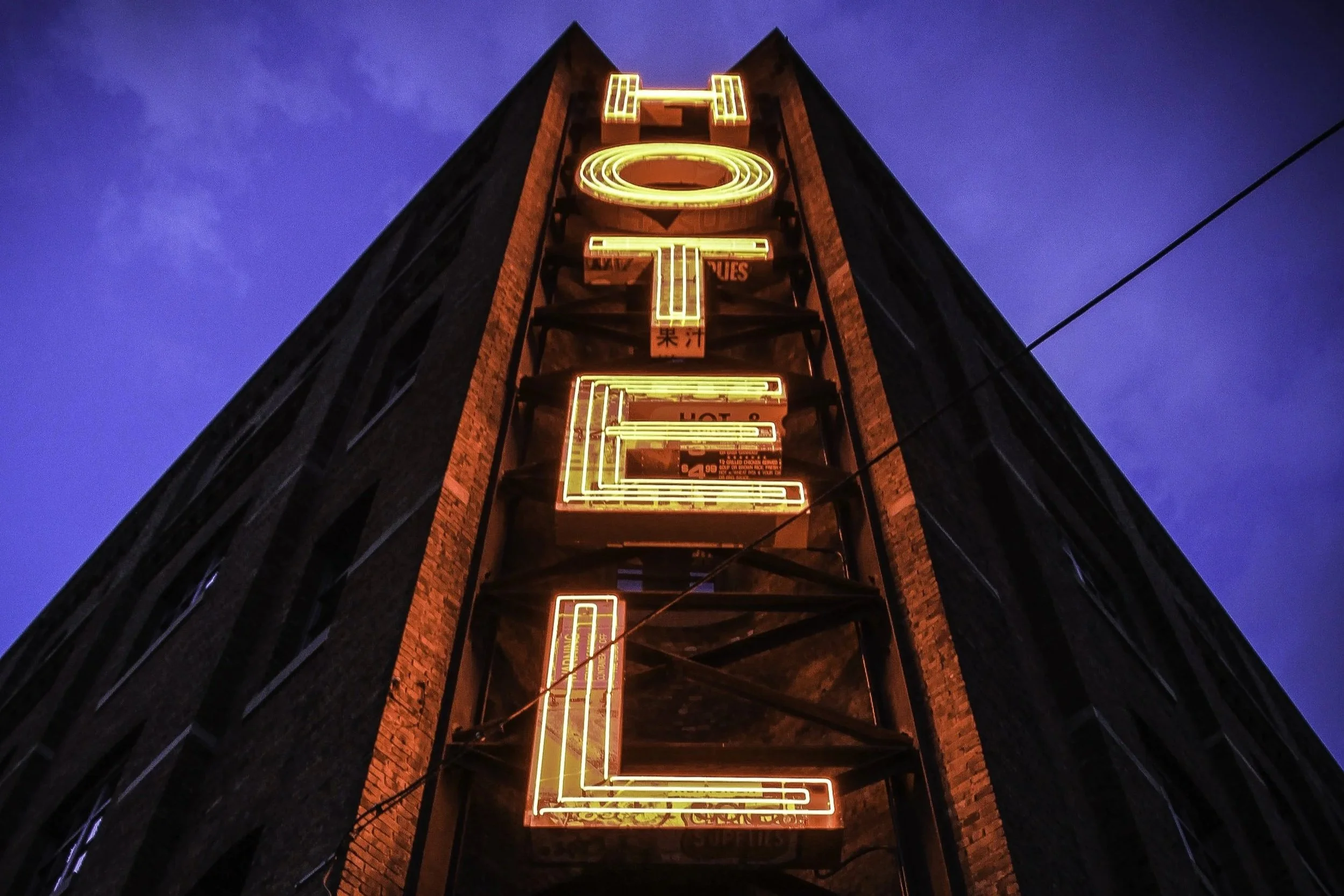
Opening a hotel doesn’t start on launch day.
It starts 60–90 days earlier, when the market either becomes aware of your project or ignores it.
Most hotel owners focus on construction, design, and staffing.
They invest heavily in the product.
But one factor is often underestimated:
Demand is built before opening, not after.
A simple question defines how strong your launch will be:
How many potential guests already know your hotel before it opens?
If the answer is unclear, your opening is not structured. It is uncertain.
What Is a Hotel Pre-Opening Strategy
A hotel pre-opening strategy is a structured process that aligns positioning, marketing, and early revenue generation before operations begin.
Its objectives are clear:
define how the hotel is positioned in the market
build awareness among the right audience
generate qualified interest
convert that interest into early bookings
In practical terms, a successful opening means entering the market with demand already in place.
The 90-Day Pre-Launch Timeline
A hotel pre-opening strategy works in three phases:
90–60 days before opening: strategy and positioning
60–30 days before opening: visibility and demand building
30–0 days before opening: conversion and bookings
Each phase supports the next. Missing one typically leads to slower occupancy growth and higher acquisition costs after opening.
Phase 1: 90–60 Days Before Opening
Strategy and Positioning
At this stage, the hotel is not yet visible.
However, all key decisions are made here.
Define the target audience
Who is the primary guest profile
What is the purpose of their stay
What alternatives are they currently choosing
Without this clarity, communication remains generic and ineffective.
Establish clear positioning
Avoid broad statements such as “modern hotel” or “premium experience.”
Instead, define:
who the hotel is for
what specific need it addresses
what differentiates it from existing options
Positioning should allow a potential guest to quickly understand whether the hotel is relevant for them.
Build a consistent core message
Every communication should answer:
why choose this hotel
what value it offers compared to alternatives
Consistency across channels is essential.
Set up marketing infrastructure
At minimum:
a functional website (booking or pre-registration enabled)
a landing page with lead capture
structured social media presence
The objective is availability, not perfection.
Create a simple conversion funnel
Basic structure: Awareness → Interest → Lead → Booking
This allows you to track and guide potential guests from first contact to reservation.
Key Metrics
website live and indexed
conversion-ready landing page
initial database: 300–1,000 contacts (depending on project scale)
Phase 2: 60–30 Days Before Opening
Visibility and Demand Building
The hotel becomes visible in the market.
The focus is controlled exposure and audience growth.
Content that builds familiarity
progress updates
team introduction
brand story
partial visuals of the product
This builds trust before the first guest arrives.
Teaser communication
Examples:
“A new hospitality concept is coming to [city]”
“Opening soon: a different way to experience [location]”
The goal is to create interest without revealing everything at once.
Audience building
paid awareness campaigns
early access offers (e.g., pre-opening rates, priority booking)
email list growth
A qualified audience is more valuable than high but irrelevant reach.
Strategic partnerships
local businesses
corporate clients
relevant influencers
local media exposure
Partnerships accelerate visibility and credibility.
Early social proof
engagement on social media
comments and shares
inquiries and interactions
Visible activity signals relevance.
Key Metrics
1,000–3,000 qualified leads
increasing website traffic
consistent engagement on social platforms
Phase 3: 30–0 Days Before Opening
Conversion and Bookings
This phase converts attention into revenue.
If earlier phases are executed correctly, results accelerate.
Launch opening offers
Examples:
early booking discounts (10–20%)
value-added packages (breakfast, upgrades, spa access)
limited pre-opening rates
Create urgency
limited availability
time-bound offers
restricted early access
Clear deadlines improve conversion rates.
Activate remarketing
Focus on:
website visitors
social media interactions
email subscribers
These audiences have the highest probability of booking.
PR and opening exposure
soft opening events
invited guests and partners
media or influencer previews
This generates immediate visibility and content.
Build initial guest validation
first reviews
testimonials
user-generated content
Early perception influences long-term positioning.
Key Metrics
20–40% occupancy for the first 30 days
2–4% website conversion rate
stable cost per booking
___________________________________________________________________
What Happens If You Skip Pre-Opening Strategy
Typical outcomes:
slow occupancy ramp-up (6–12 months instead of 2–3)
strong dependency on OTAs and discounting
higher marketing costs after opening
unclear market positioning
Recovery at this stage is significantly more expensive than preparation.
Final Perspective
A structured pre-opening strategy ensures:
market awareness before launch
qualified demand ready to convert
bookings secured in advance
Without this, the opening performance depends on chance.
With it, the hotel enters the market with momentum.
Need Support for Your Hotel Pre-Opening Strategy
If you are planning to open or reposition a hotel and need:
clear market positioning
a structured pre-launch plan
measurable results before opening
The first step is to define the right strategy before scaling execution.
That decision has a direct impact on occupancy, revenue, and long-term positioning.